

Agroforestry in Action: How Trees on Farms Increase Biodiversity & Yields
As the global population continues to rise, the demand for food skyrockets, putting immense pressure on agricultural systems worldwide. Conventional farming practices often lead to soil degradation, loss of biodiversity, and increased greenhouse gas emissions. However, innovative approaches like agrorestoration are gaining attention for their potential to restore ecosystems while enhancing agricultural productivity. One of the cornerstones of agrorestoration is the integration of trees into farmland, an aspect often overlooked in traditional agricultural practices.

The Carbon Footprint of Your Plate: Beef vs. Beans vs. Beyond Meat
As global awareness of climate change and environmental sustainability continues to grow, consumers are increasingly examining the carbon footprints associated with their food choices. What we eat not only affects our health but also impacts the planet. Among the most debated topics in sustainable agriculture is the environmental impact of animal versus plant-based foods, particularly when it comes to protein sources.

Regenerative Organic Agriculture: Healing Soil While Growing Nutritious Food
Sustainable agriculture has become a crucial topic in the face of climate change, biodiversity loss, and declining soil health. Conventional farming practices have often prioritized short-term yields over the long-term health of the environment, leading to soil depletion, increased greenhouse gas emissions, and reduced nutritional quality of food. In response to these pressing issues, regenerative organic agriculture has emerged as a promising solution.

Smart Packaging: Innovations Keeping Food Fresh Longer
In our quest for a sustainable future, the challenge of food waste has emerged as one of the most pressing issues facing our food systems today. Approximately one-third of all food produced globally is wasted, with significant amounts of this spoilage occurring during transport and storage. As the world grapples with growing populations and increasing demand for food, innovations in food packaging have transformed from simply serving as a protective barrier to becoming essential tools in enhancing food freshness and extending shelf life. Smart packaging technologies are at the forefront of this transformation, offering solutions that not only reduce waste but also improve food safety and quality.

Indigenous Farming Techniques That Outperform Modern Industrial Methods
Sustainable agriculture faces numerous challenges in the modern world, including climate change, loss of biodiversity, soil degradation, and food insecurity. As we seek solutions to these pressing issues, there is a growing interest in indigenous farming techniques, which have been practiced for thousands of years. These methods, rooted in deep ecological knowledge and understanding of local ecosystems, often outperform modern industrial agricultural methods in sustainability, resilience, and environmental impact.
Ancient Grains for Modern Times: Climate-Resilient Crops for the Future
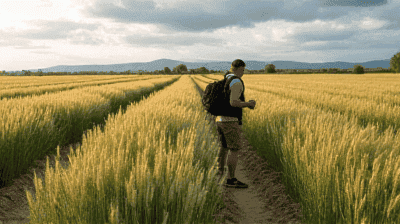
As the challenges of climate change and global food insecurity intensify, the quest for sustainable agricultural practices has never been more critical. In this context, ancient grains—cereal grains that have been cultivated for thousands of years—are gaining renewed interest as viable, climate-resilient crops for modern agricultural systems. These grains, which include quinoa, amaranth, millet, spelt, and farro, offer unique nutritional benefits and are often more resilient to changing climatic conditions than more commonly grown staples.
Beyond Pesticides: How Organic Farmers Control Pests Naturally
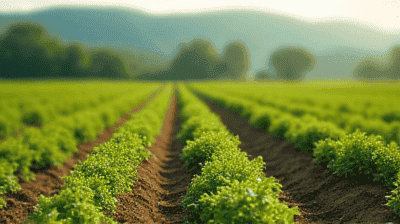
As global awareness of environmental sustainability grows, the demand for organic farming practices has surged. Organic farming not only promotes healthier food choices but also emphasizes methods that nurture the ecosystem, reduce chemical inputs, and enhance biodiversity. One of the primary concerns for farmers—whether organic or conventional—is pest control. While conventional agriculture often relies on synthetic pesticides to manage pest populations, organic farmers utilize a variety of natural strategies to control pests effectively.
How a Flexitarian Diet Can Cut Your Food Emissions by fifty percent
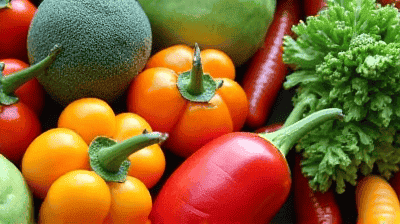
In an era defined by an urgent need for sustainable practices, reducing food-related carbon emissions has become a pressing concern. As the global population continues to rise and environmental challenges like climate change intensify, individuals are increasingly seeking dietary solutions that promote health while also reducing environmental impact. One such approach is the flexitarian diet, which focuses on incorporating more plant-based foods while allowing for occasional meat and animal products.
The Rise of Urban Farming: How Cities Are Growing Food Vertically
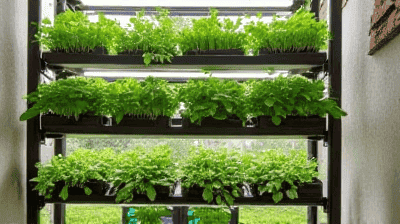
As the world continues to urbanize, with projections suggesting that nearly 70 percent of the global population will live in cities by 2050, the challenge of providing sustainable food sources has become increasingly pressing. Urban areas often face limited space and resources, leading to creative solutions that prioritize sustainability and food security. One innovative response to these challenges is urban farming, particularly in the form of vertical farming.

Community Fridges and Food Sharing Apps: Tech Tackling Household Waste
Household food waste is a pressing issue in modern society, with approximately one-third of all food produced globally never being consumed. This waste not only represents significant economic loss but also contributes to environmental challenges, including greenhouse gas emissions and resource depletion. As communities around the world strive to adopt more sustainable practices, innovative solutions such as community fridges and food sharing apps have emerged as effective strategies for tackling household waste. These initiatives leverage technology and local engagement to promote food sharing, enhance food security, and foster a culture of sustainability.
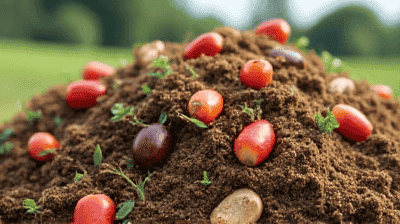
Composting vs. Anaerobic Digestion: Best Ways to Handle Food Scraps
Food scraps are an inevitable byproduct of our daily lives, generated during meal preparation, consumption, and food processing. While these scraps might seem like mere waste, they hold immense potential for contributing to sustainable agriculture and reducing our environmental footprint. Two of the most effective methods for managing food scraps are composting and anaerobic digestion. Each method offers unique benefits and can play a crucial role in transforming organic waste into valuable resources.

Lab-Grown Meat: Will Cellular Agriculture Revolutionize Protein?
The quest for sustainable food sources has driven innovation in agriculture and food systems, resulting in various approaches to meet the demands of a growing global population. One of the most promising advancements in recent years is cellular agriculture, commonly known as lab-grown or cultured meat. This technology has the potential to revolutionize protein production by providing a more efficient and environmentally friendly alternative to conventional livestock farming.
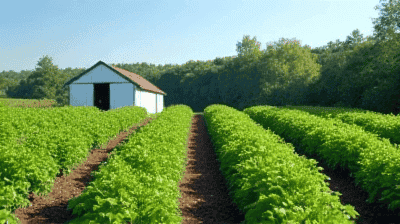
From Monoculture to Polyculture: Why Diverse Farms Are More Resilient
In recent decades, the global agricultural landscape has been dominated by monoculture—growing a single crop over extensive areas year after year. While this approach has proven efficient for producing high yields in the short term, it poses significant risks to long-term sustainability, soil health, and ecosystem resilience. In contrast, polyculture—a farming practice that involves growing multiple crops in the same space—offers an array of benefits that enhance the resilience of farms and food systems.
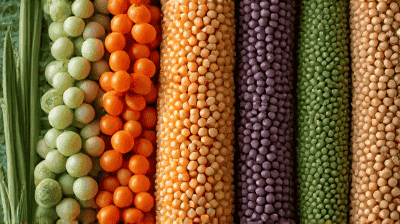
Seed Sovereignty: Why Protecting Crop Diversity Is Key to Climate Adaptation
As climate change continues to impact agricultural systems worldwide, the need for resilience in food production becomes increasingly critical. One of the most effective strategies for enhancing resilience is ensuring seed sovereignty and protecting crop diversity. Seed sovereignty refers to the right of farmers and communities to save, use, and exchange seeds. In an era of global food insecurity and climate unpredictability, preserving crop diversity is essential for adapting to changing environmental conditions, ensuring food security, and promoting sustainable agricultural practices.
Popular Posts

Character Development Through Extracurricular Activities: The Importance of Clubs and Sports
In the journey of education, academic achievements often take center stage, but the role of extracurricular activities, such as clubs and sports, is equally vital. These activities not only provide students with opportunities for enjoyment and relaxation but also play a crucial role in character development. Engaging in extracurricular activities fosters essential life skills and values that shape well-rounded individuals. This blog post will explore the significance of character development through extracurricular activities, specifically focusing on how clubs and sports contribute to the growth of essential character traits.

From Slopes to Trails: Exploring Varied Terrain in Downhill Sports
Downhill sports offer a thrilling experience that combines adrenaline-pumping action with the beauty of diverse landscapes. From steep slopes to rugged trails, navigating varied terrain adds an extra layer of excitement and challenge to these exhilarating activities. In this article, we will delve into the world of downhill sports, exploring how athletes conquer different types of terrain, the equipment essential for these adventures, safety measures to consider, and the environmental impact of riding in diverse landscapes. Join us as we uncover the techniques, strategies, and training needed to excel in downhill sports on varied terrain.
Composting vs. Anaerobic Digestion: Best Ways to Handle Food Scraps
Food scraps are an inevitable byproduct of our daily lives, generated during meal preparation, consumption, and food processing. While these scraps might seem like mere waste, they hold immense potential for contributing to sustainable agriculture and reducing our environmental footprint. Two of the most effective methods for managing food scraps are composting and anaerobic digestion. Each method offers unique benefits and can play a crucial role in transforming organic waste into valuable resources.